Trips to Mount Airy, Part XIII: Mayberry Days, 2017

Maybry Mill.

Friday morning, Rob and I were up early and soon driving north on the spectacular Blue Ridge Parkway. The previous year, we had stopped at the Maybry Mill restaurant and were told that coming early was advisable so we had decided this time to have breakfast there. The bulk of the building that can be seen by the public is a gift shop and visitor’s center, The seating for the restaurant runs along the back of the building in a long but relatively narrow room that overlooks the woods. We had a great breakfast. Mine included a fried slice of country ham, something I don’t indulge in often but really enjoy.

Stream behind the restaurant at Maybry Mill.

Afterward, we traveled back to the community of Mayberry as we had the previous year to visit the Mayberry Trading Post. We ended up visiting with Peggy Barkley, the proprietor, quite a bit. She was kind enough to answer questions I had about the store and its connection to Andy Griffith. She did make one comment that ensured we would have to return to the restaurant by the Maybry Mill. She told us the sweet potato pancakes were what they were known for on their breakfast menu. I had chosen the cornmeal pancakes but said her recommendation meant we had to go back again someday.

With Peggy at the Mayberry Trading Post.

I always encourage Mayberry fans to step outside the city limits of Mount Airy when attending the festival and visit the Trading Post at least once.

Regarding the fact the building leans considerably, Peggy says if you were 135 years old, you’d lean, too!

Keeping with what has become our tradition, we again visited the candy factory in Meadows of Dan to pick up sweets for our sweets back home. We then drove back past Mount Airy to Winston-Salem to visit a still-new branch of the Mast General Store chain, the first of which opened in 1883. The new Winston-Salem location had opened in 2015 and has an interesting inventory of everything from clothing to penny candy.

The Andy Griffith Museum.

My big find was a barbecue sauce flavored with the great Southern pop, Cheerwine. Rob bought a s’mores maker that has a basket with clamps on the end that holds the graham cracker, chocolate, and marshmallow all at the same time. (As we later learned when using it, the contraption makes an interesting variation on the traditional s’more as the cracker gets toasted in the process.)

We spent a good deal of the afternoon touring the newly-renovated Andy Griffith Museum. The museum is small, but they did a masterful job of utilizing the space efficiently. The renovated space had just been unveiled to the public at the end of June a few months earlier. The half-million dollar project now includes touchscreen displays and facades of Mount Airy landmarks like Snappy Lunch and of familiar sights in Mayberry, such as the courthouse doors with the original sheriff and justice of the peace signs.
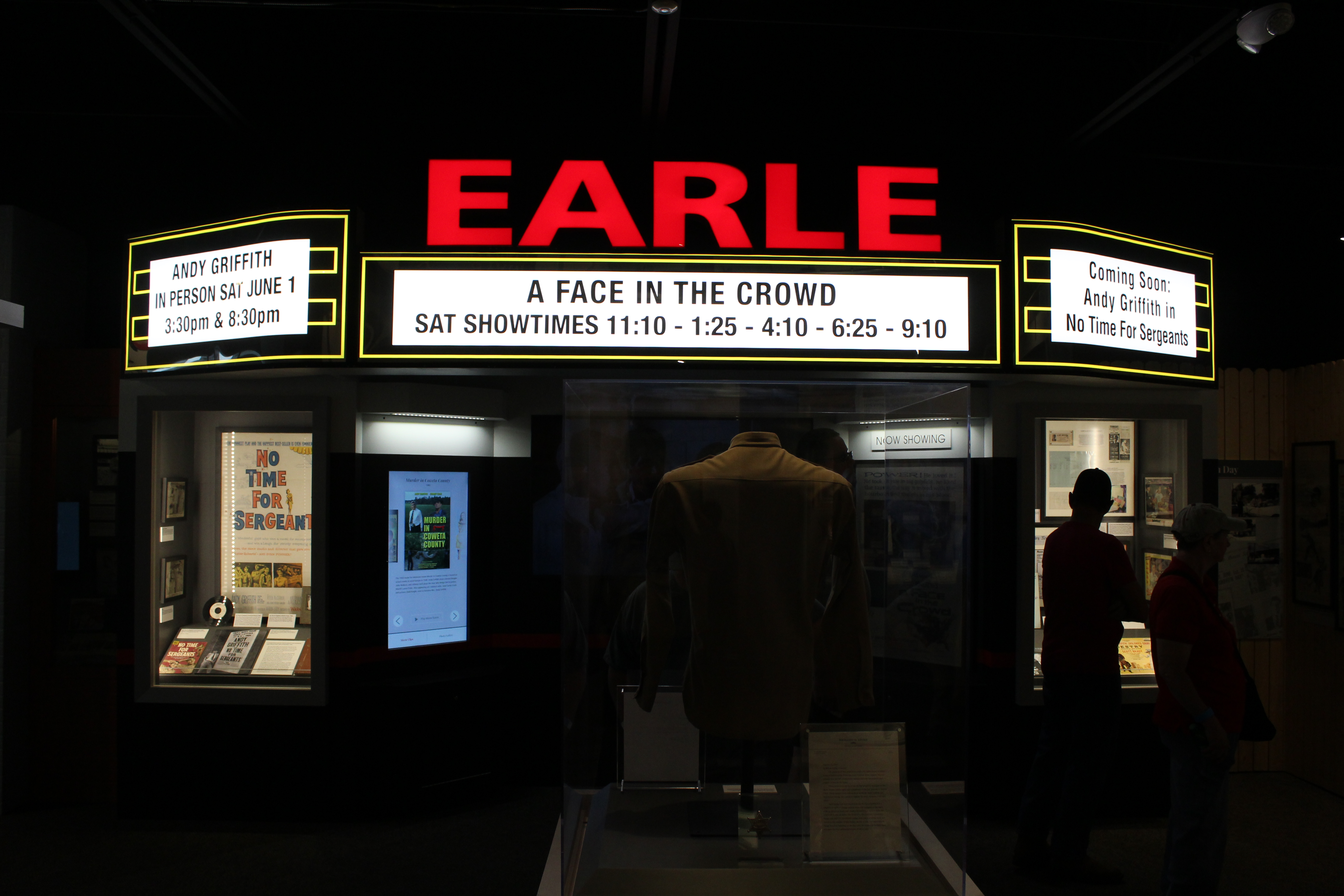
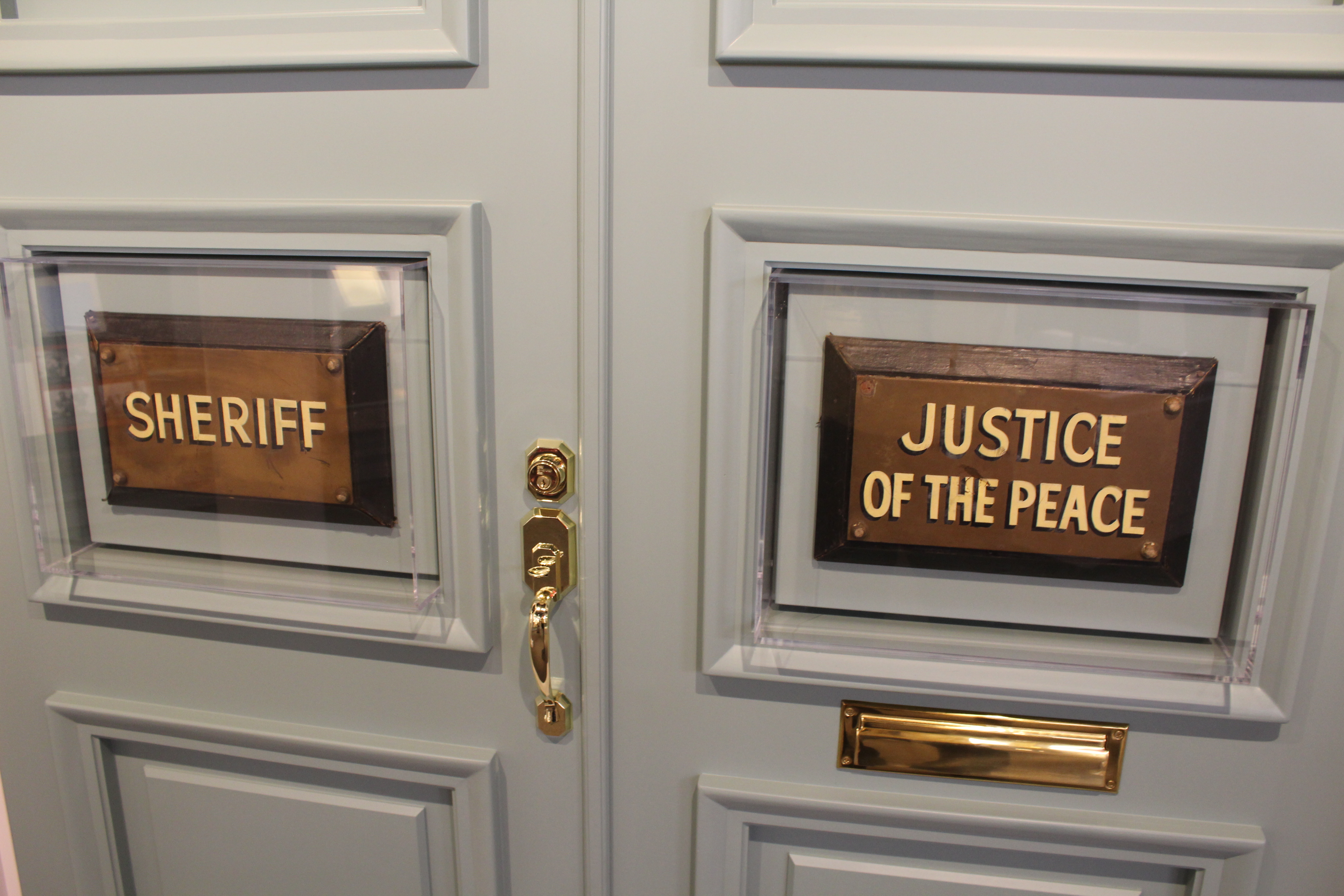
The ole’ salt and pepper.

That afternoon we attended the annual trivia contest. I was especially interested in attending as there was a special person I was anxious to finally meet face-to-face who I knew would be at the gathering of members of the internet chapter to be held immediately after the contest.
Trips to Mount Airy, Part XII: Mayberry Days, 2017

As we drove to Mount Airy from Morgantown, I reached out to Allan Newsome, the tribute artist who portrays Floyd the barber at Mayberry events and the host of the Two Chairs, No Waiting podcast, to see if he had ever tasted salt-rising bread. When he indicated he had not, my first stop in Mount Airy was to buy ziplock bags. I put some of the pungent bread in bags and left them for him at the Mayberry Motor Inn.

Having spent the day on the road as a result of going through Morgantown on the way, we then went straight to dinner at Chile Rojo. We had dined there before and really enjoy it. I am no expert in Mexican or Tex-Mex cuisine, but I have never been there and not really enjoyed the meal and atmosphere.

I gave Rob one of the new shirts I had made for Mayberry Days. After the previous year when we had shirts with our Rerun Watchers Club chapter logo on the back of royal blue t-shirts, in 2017 I tried maize-colored shirts. Having imposed on my old college roommate and buddy Dick for everything from designing our chapter logo and banner, literally silkscreening the 2016 shirts himself, and designing my This Week in Mayberry History title card, I had a company I have used before make the shirts rather than impose on him again.

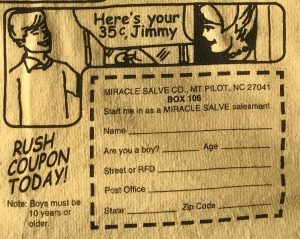
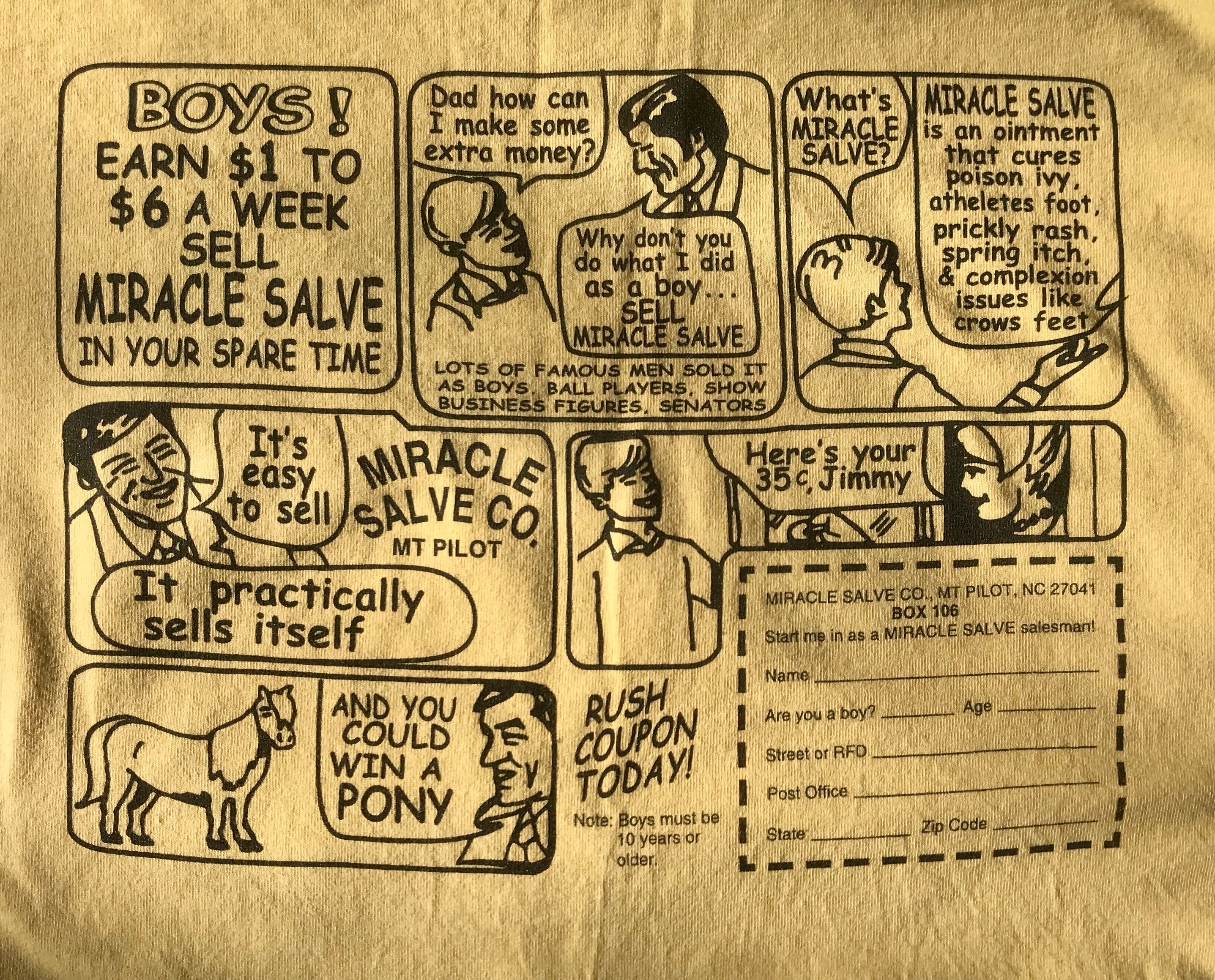
Miracle Salve ad design for the back of the 2017 shirt.

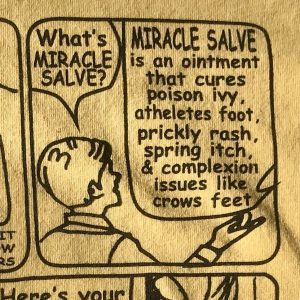
I used our logo on the front of the shirt this time and drew a new piece of artwork for the back. The back image is a parody of an old Grit comic book ad that I re-drew by hand and changed to make it an ad soliciting boys to sell Miracle Salve. I made it a point to incorporate elements from the episode “A Deal Is a Deal,” the Miracle Salve episode of The Andy Griffith Show, into the drawing.

I mimicked the Miracle Salve lettering in the ad to be similar to the lettering seen on the side of the boxes on The Andy Griffith Show.

redrew one panel completely to add that a pony could be won. I made sure the salve price was 35¢ just as it was in the show.

On the coupon, I used the room number of 106 shown on the show as the Mount Pilot box number. The idea that only boys could sell the product is actually from the original Grit ad.

I had hand-lettered the original artwork since that is how the original ad was done. I mimicked the art style closely as it also was relatively roughly-done in the original comic book ad. In addition to the art not being polished, the lack of periods at the end of sentences was completely intentional on my part as that is how the original ad was written.

In order to turn the artwork into a silkscreen, it has to be turned into a vector image. When the artist at the silk screening company saw my original piece of art, he said the artwork itself would scan well but he would need to re-letter the piece though he could do so in a font that would look like hand-lettering.

I actually do know how to spell “athlete’s.”

When he later sent me an email to approve the artwork, I should have actually gone to the shop and asked to look at it larger. I had listed the ailments Miracle Salve could “treat” just as the show had done. However, I missed that the artist had misspelled the word “athlete’s” on the back when he retyped the text. Luckily, the original ad this was parodying was crudely done so I didn’t feel the misspelling was all that out of place—and that, ladies and gentlemen, is what we call rationalization!

As we carried our new t-shirts and our luggage to our room, we left our remaining salt-rising bread in the back of the vehicle, not realizing the mistake we were making.

Trips to Mount Airy, Part XI: Mayberry Days, 2017

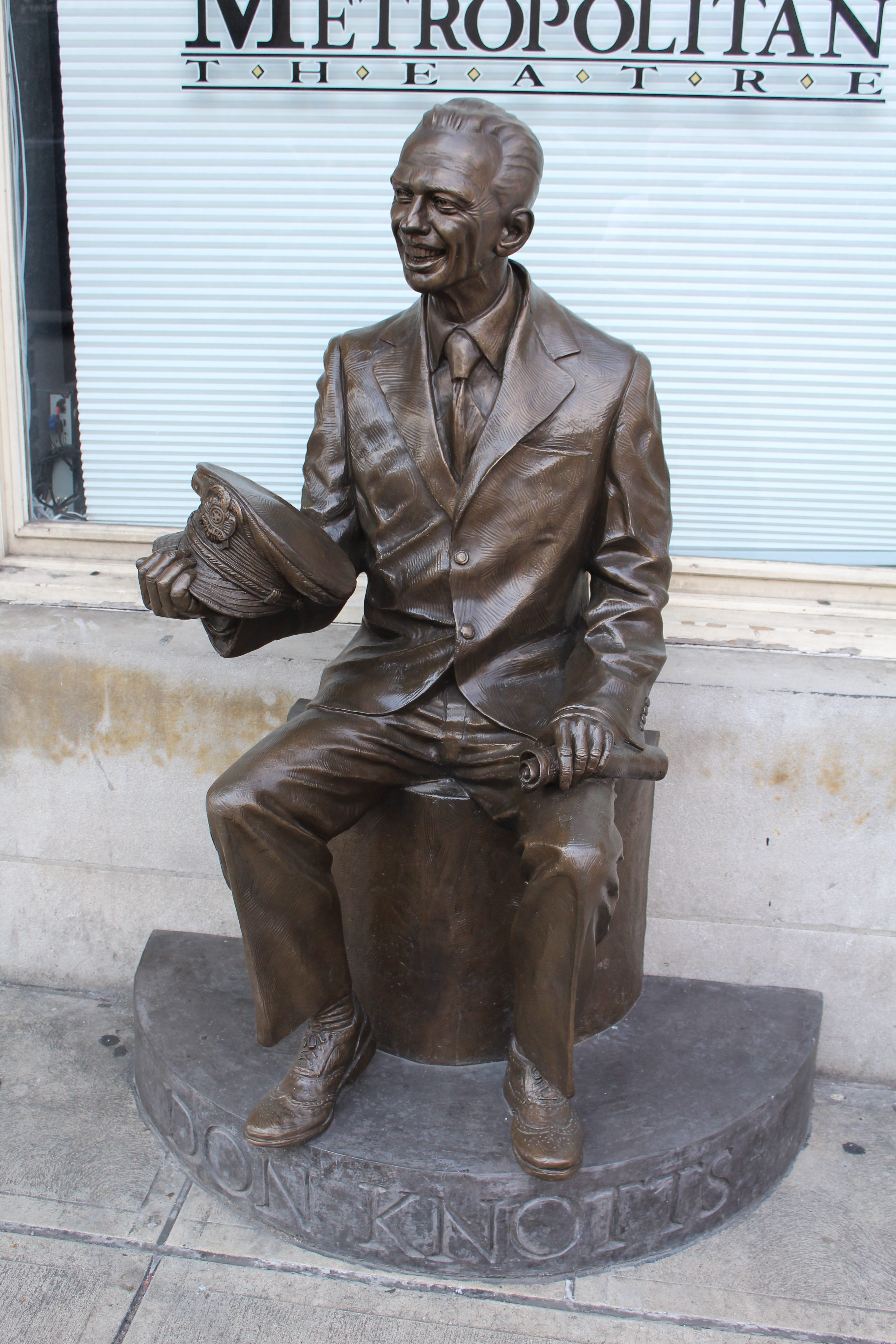
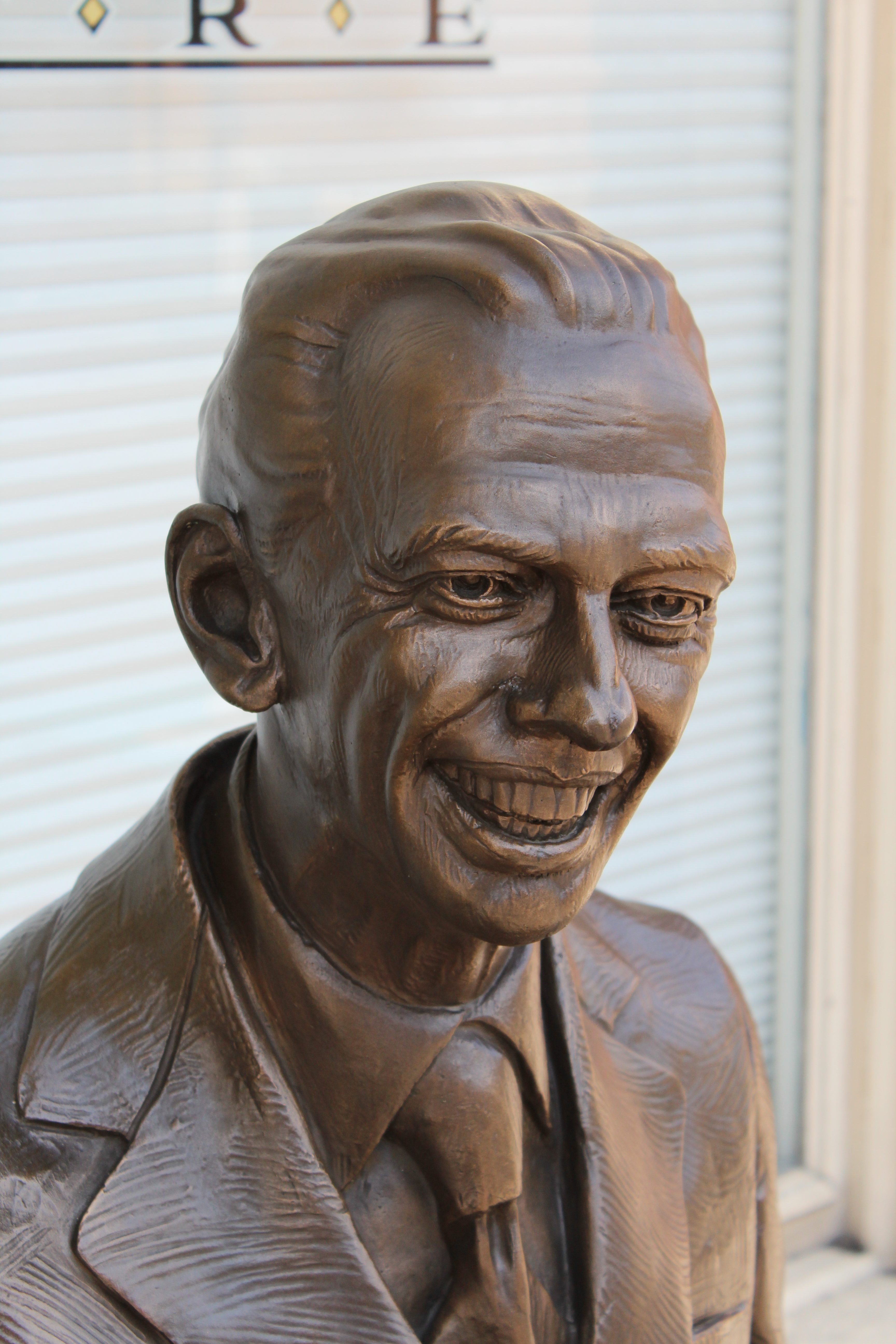
When Rob and I traveled through Don Knott’s hometown of Morgantown, West Virginia on the way to Mayberry Days in 2017, our first stop was the most obvious. We went straight to the Don Knotts statue on High Street, the main commercial thoroughfare downtown.

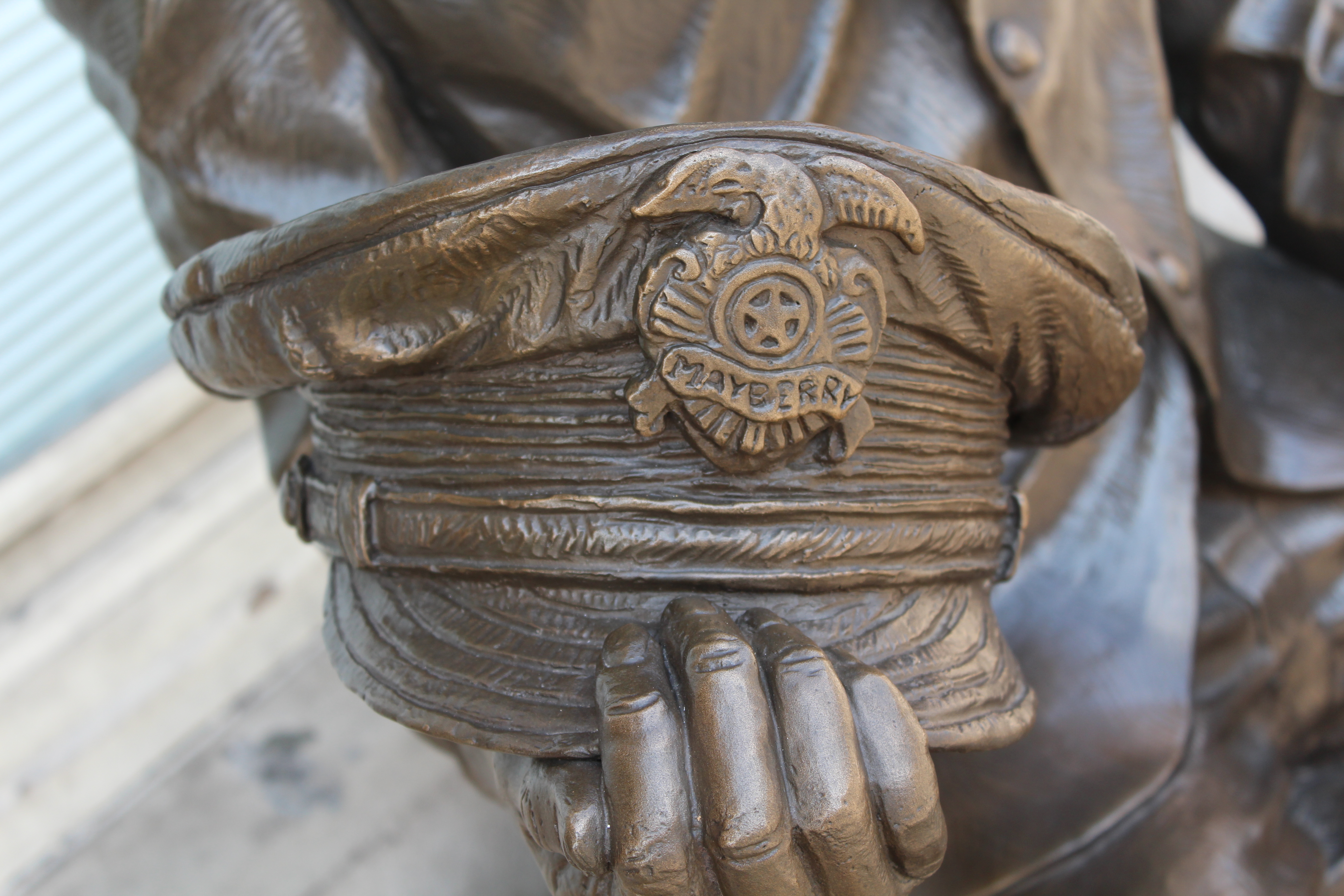
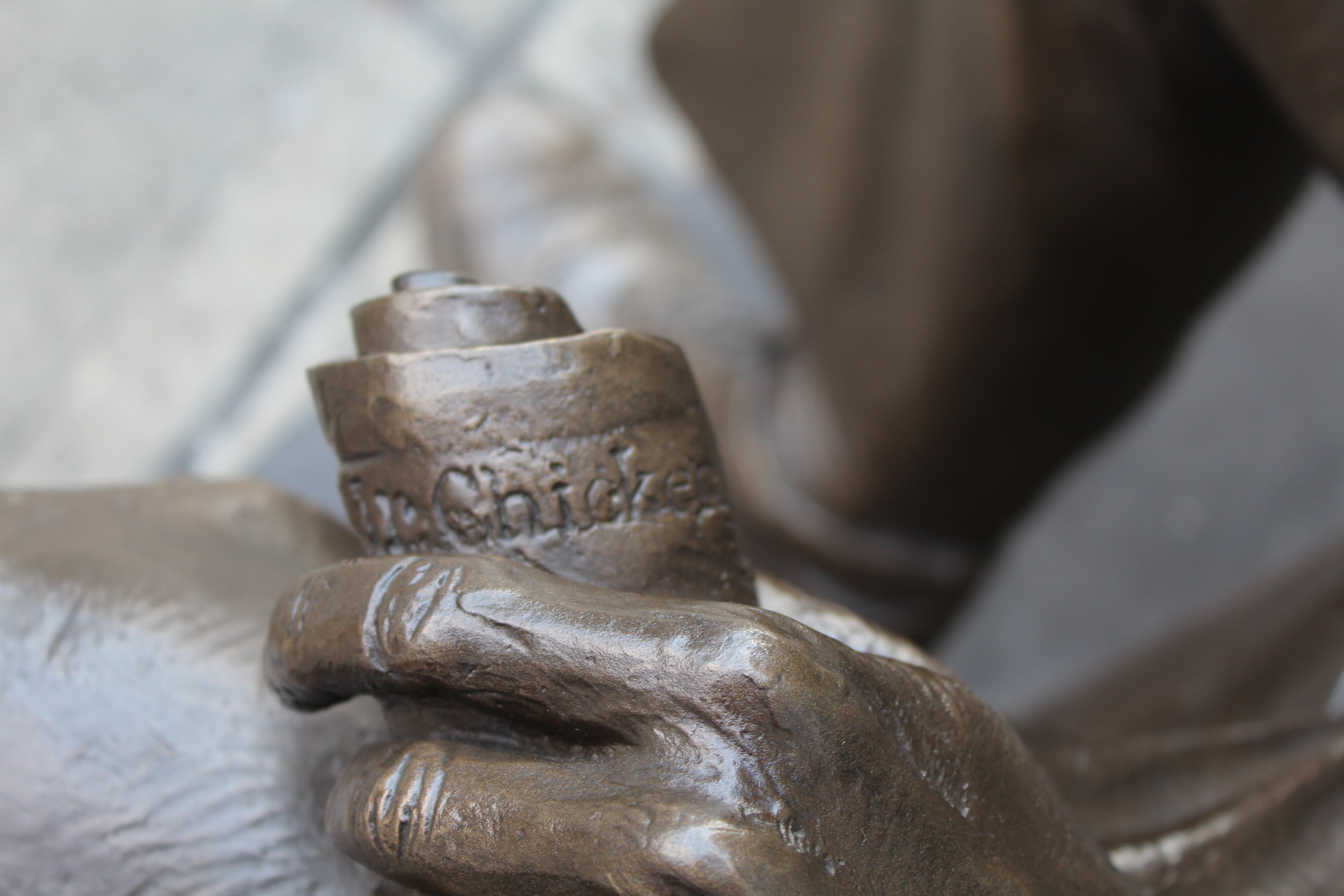
The bronze statue was unveiled in 2016 and depicts Don as himself instead of in character. But his role as Barney Fife in The Andy Griffith Show is acknowledged by the Mayberry Deputy hat depicted in his right hand. In his left hand is a rolled-up script from his popular film The Ghost and Mr. Chicken.

The statue is placed in front of the Metropolitan Theater, often called simply the Met by locals, where Don sometimes performed.

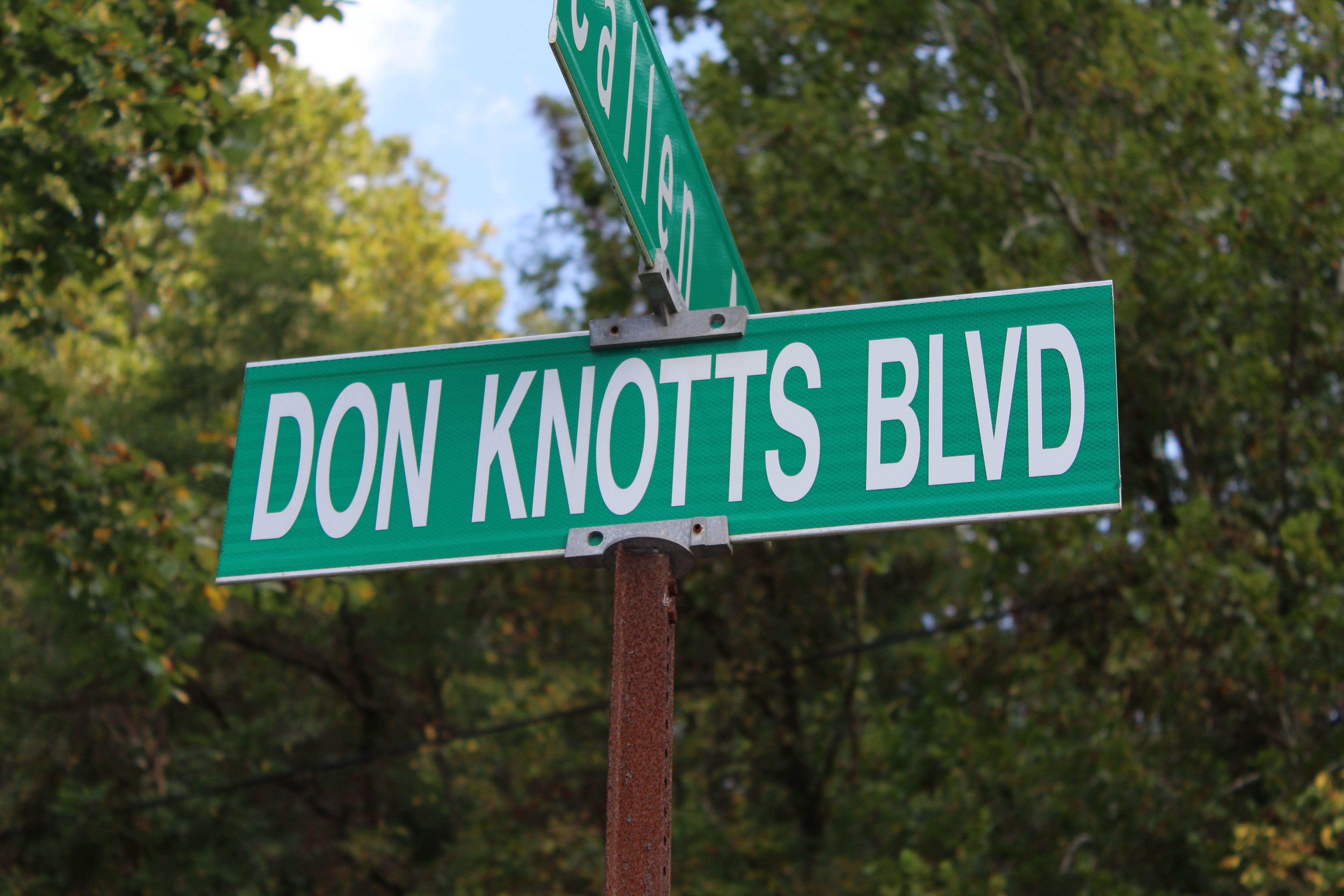
We also visited two important streets in Morgantown. Shortly after Don received his Hollywood Walk of Fame star in 2000, a part of University Avenue was renamed Don Knotts Boulevard.

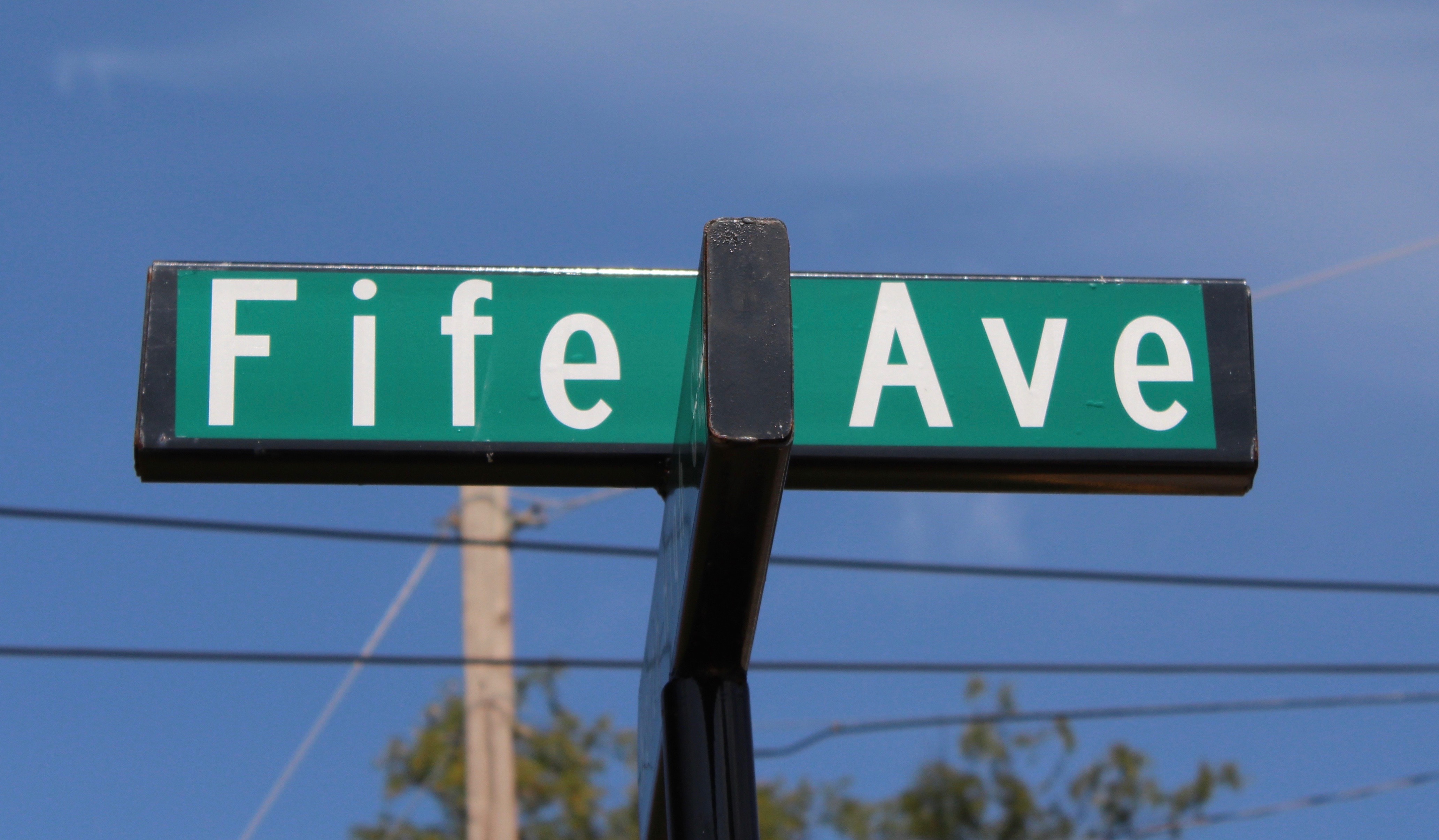
We also visited Fife Avenue, the street near Don’s childhood home that gave him the name he used for Mayberry’s favorite deputy.

The only part of our visit to Morgantown that was not successful was our futile attempt to locate Don’s childhood home.

A photo of Don Knotts’ childhood home on University Avenue from a person who years ago took a tour that used to point it out.

Don grew up in a boarding house operated by his mother near West Virginia University in town. I was able to find a photo of the original home and knew the street it was on and even the neighborhood, but we drove the street several times and came to the realization it is no longer standing. Don’s childhood there was not always happy, so that may be why the city or a private company or individual made no effort to preserve it.

Trips to Mount Airy, Part X: Mayberry Days, 2017

I have been gradually telling the story of how author Neal Brower came to be wearing one of our chapter t-shirts when I saw his presentation at the Mayberry Meet-Up in July. The next few posts will finally answer that question.

My buddy Rob and I left early on the Thursday before Mayberry Days 2017 as we planned a not-exactly-on-the-way route to Mount Airy. We decided to go via Morgantown, West Virginia, to see Don Knotts’ hometown.

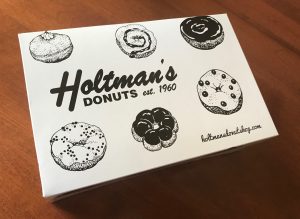
A big box of delicious goodness.

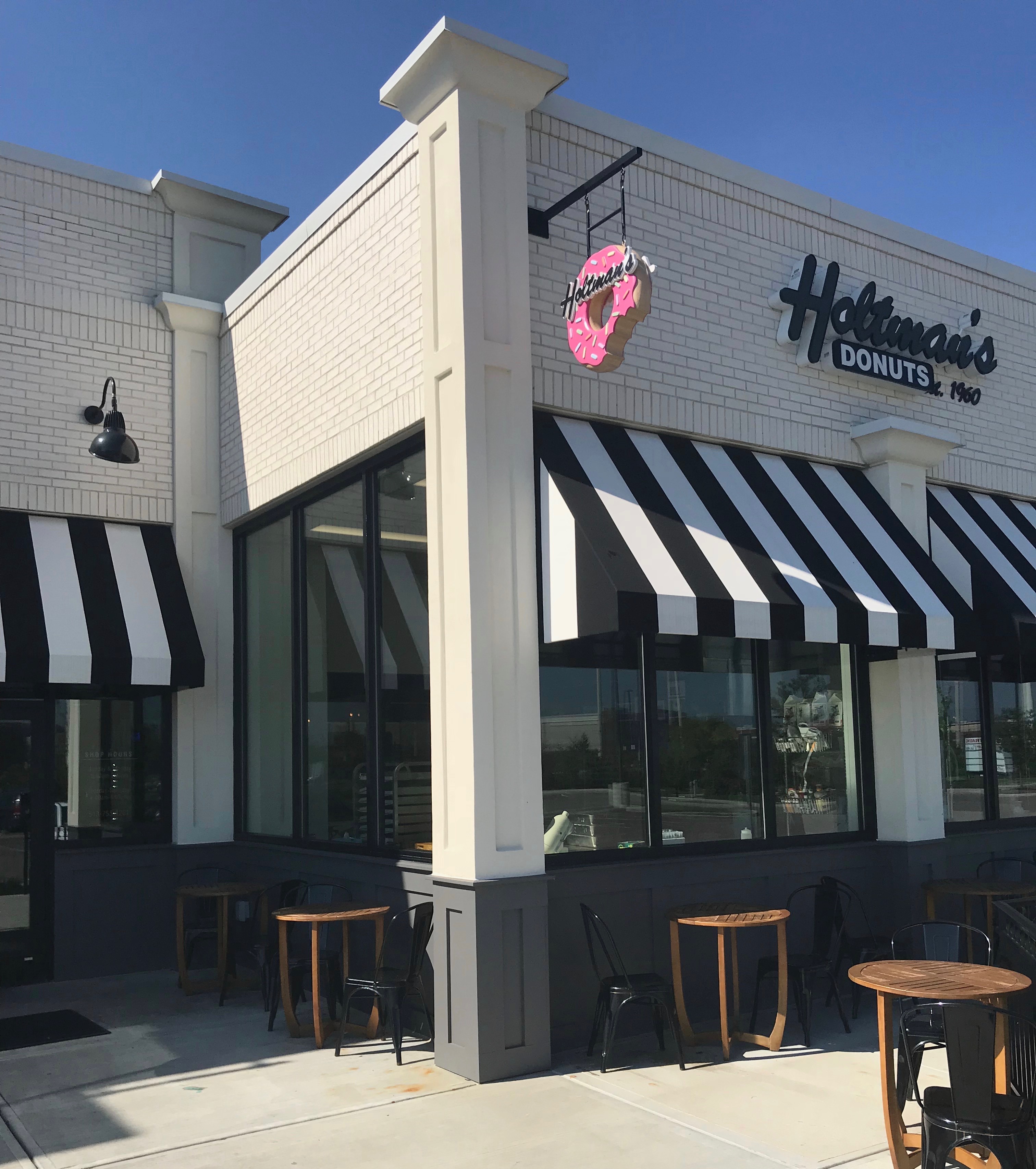
Rob drove this time, and to save time stopping for breakfast, he stopped for doughnuts at the Holtman’s in West Chester. Hopped up on sugar, we headed to Morgantown. Just as Mount Airy is near the northern border of North Carolina, Morgantown is near the Pennsylvania border. In fact, our approach took us through the vertical panhandle of West Virginia, then through the southwestern corner of Pennsylvania.

I always like to plan ahead for trips like this, and I had read about a bakery in Pennsylvania not far from Morgantown that offered salt-rising bread. Mayberry fans will recall that one of the protests Barney made about one of his sandwiches being given to the dog Opie had found in “Dogs, Dogs, Dogs” was that it was made with salt-rising bread.  The tradition of making salt-rising bread is carried on at only a few bakeries. The bread is generally found in Kentucky, West Virginia, and the western areas of New York and Pennsylvania.

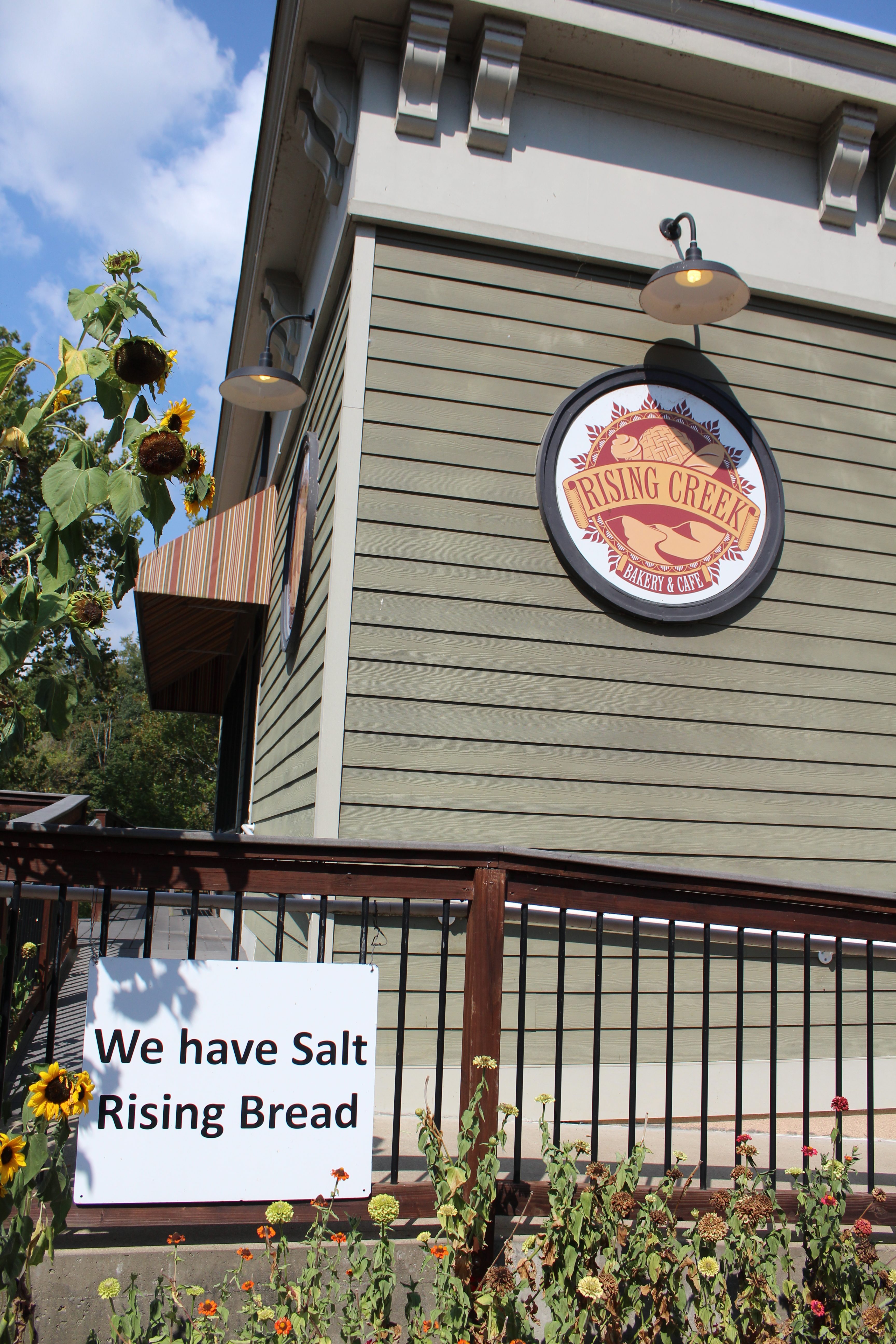
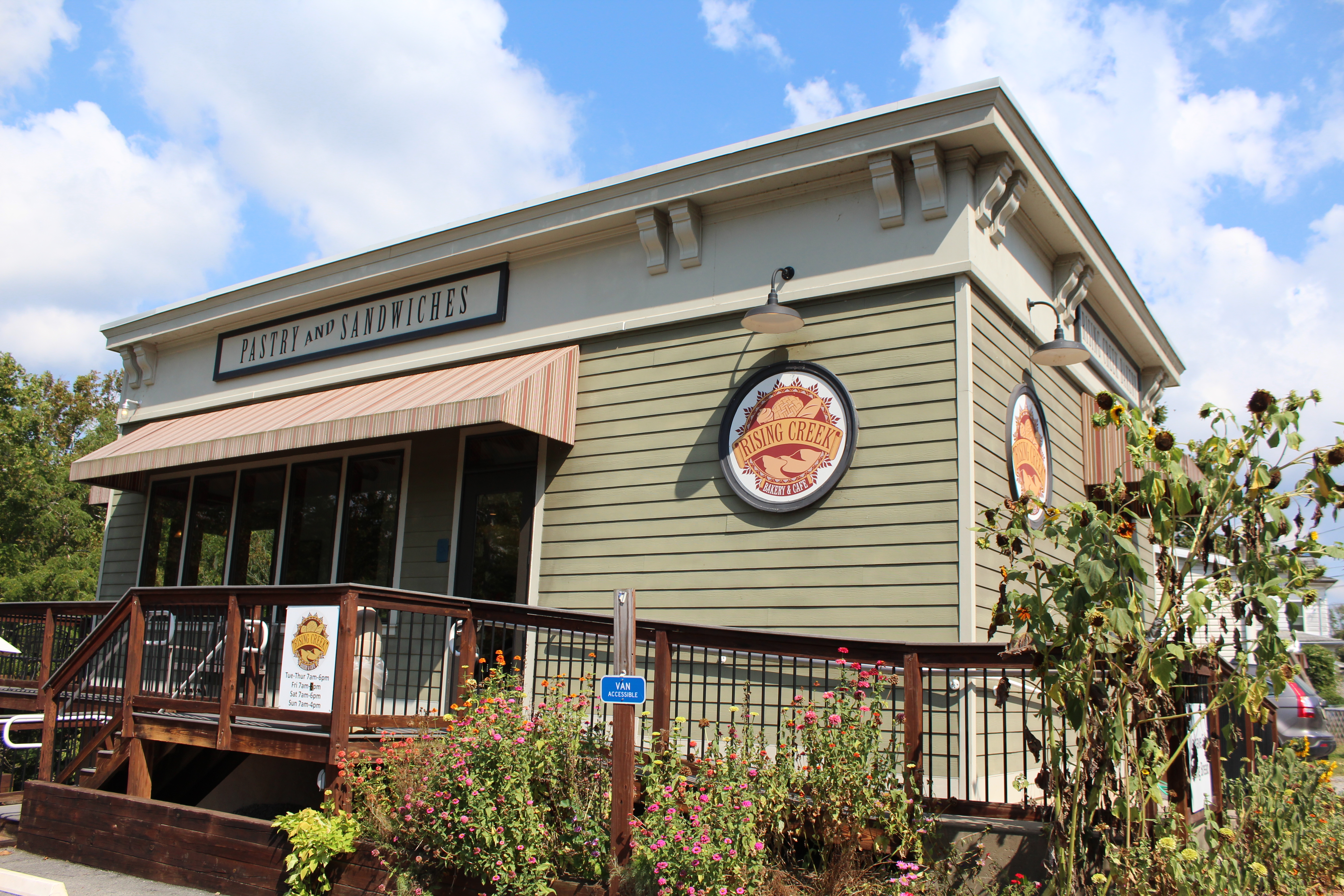
We got off the main road just before passing into West Virginia to visit the Rising Creek Bakery (what a great name!) in Mount Morris, Pennsylvania.

We were in luck.

I had already scoped out a restaurant in Morgantown where we were going to have lunch, so we only were there for the legendary bread. I scored a loaf and we each tried a piece as we walked back to the car.

I am sure I had heard of salt-rising bread before I heard Barney mention it, and I may have even tasted it as a child. I know that when I was young it was available commercially in Kentucky at least. But if I had heard of it or tasted it previously, I had forgotten it.

Rising Creek Bakery.

Salt-rising bread was widely made by early settlers in the Appalachians. (By the way, if you want to pronounce the word properly and not like national newscasters who usually say “apple-ay-sha,” just remember to use a hard “CH” sound by recalling this mnemonic rhyme: “Adam,” said Eve, “If you try to deceive, I’ll throw this apple atcha’.”) Commercial yeast was impossible to come by for early mountaineers and was not available until the 1860s. Salt-rising bread does not use yeast. Instead, it uses microbial bacteria as the rising agent. The bread is made with a starter, just as is sourdough bread. I have read that the starter itself has a strong smell that some describe as not unlike a very ripe cheese. The same bacteria used to make salt-rising bread is also found in decaying vegetation. That might help explain the fact that, while it actually has a good flavor that I liked, it has a—shall we say, pungent smell. The same bacteria in the bread is a common cause of food poisoning but the heat of the baking process reduces the bacteria levels to one safe for human consumption.

The theory of the origin of the name comes from what makes the bread so distinctive. The bacteria-filled starter was kept warm by keeping it stored in a bed of heated salt. The taste of the dense, white bread is not salty at all.

Martin’s Bar-B-Que Joint.

We then crossed the border and were soon in Morgantown. Before we began our explorations, we had lunch at Martin’s Bar-B-Que Joint. A friend of mine highly recommends the Martin’s location in Nolensville, Tennessee near Nashville. (Martin’s is based in Nashville and they have a location there downtown.) I will eventually get there but when I looked at their website I saw they had a location in Morgantown which led to our visit. Most importantly, the brisket was truly excellent. Unfortunately, the ambiance was far from a “barbecue joint.” It felt much more like a sports bar. Apparently, the excellence of the food was not enough to overcome the shortcomings of the location in a strip mall, as the Morgantown location has since closed.

After an excellent lunch there, we headed toward downtown.

Boca, a Premier Cincinnati Dining Experience

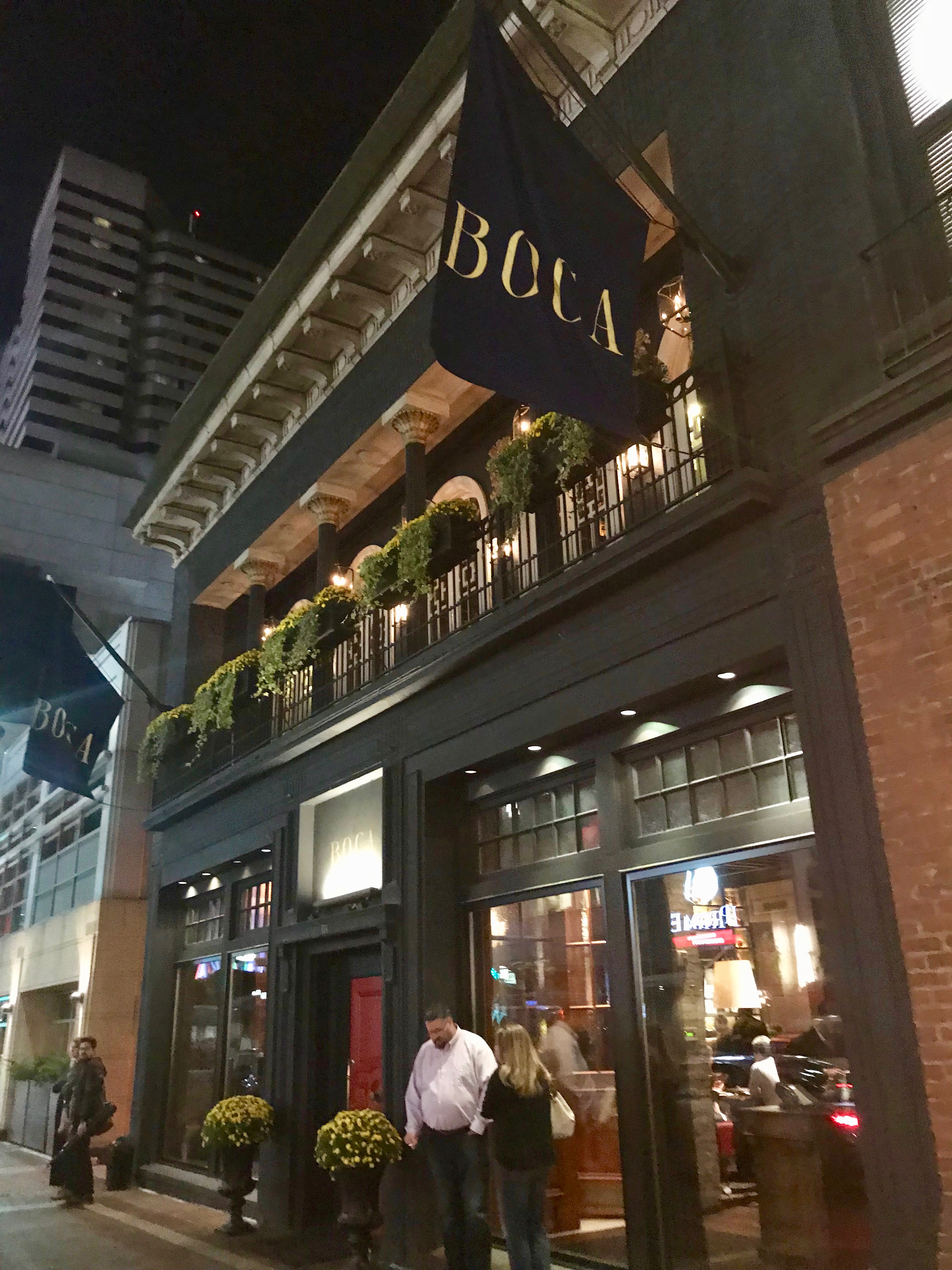
The distinctive entryway.

As should be apparent if you follow this blog, I tend to enjoy the obscure, hole-in-the-wall, mom-and-pop style of restaurant. Still, every so often one has to try something different. Around our birthdays (my wife and I have birthdays only a couple of weeks apart), we annually go someplace far from my usual haunts. This year we made a return trip to Boca.

Overlooking the main floor dining room from the second floor.
The interior looks quite different than it did when it was The Maisonette.

I mentioned The Maisonette earlier which closed in 2005. The location now houses a superior fine-dining restaurant called Boca where we enjoyed an incredible meal recently. We went with my friend Rob, who I have mentioned several times as he always attends Mayberry Days with me, and his lovely wife, Julie.

We started with Pommes Soufflées. Like many dishes at this type of restaurant, I had no idea what this was until it arrived at the table. This 18th-century French dish was on the menu of the Maisonette and Boca brought it back a couple of years ago. The starter is a variation of a french fry. They begin with potato sliced to the thickness of a nickel. The slices are fried three times, first at a lower temperature then at a higher which causes the potatoes to puff and fill with air though they deflate as they cool. When ordered, they are flash-fried a third time which re-inflates them. The hollow tubes are then salted and brought to the table still hot and fully puffed. As one article I read noted, it is a lot of work for what is, in essence, an upscale bar snack. But I have to tell you, really tasty.

Pommes Soufflées

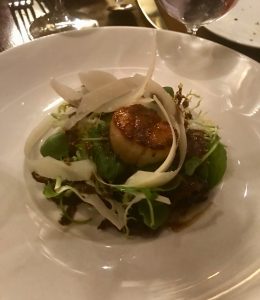
We split a couple of other small dishes next. I am not the biggest fan of brussel sprouts though I do like them roasted at high temperature. At Boca, this is a small dish they are known for and which we have had it at a previous visit. The brussel sprouts  are prepared with brown butter truffle vinaigrette and served in a salad mix with a large scallop in the center of the dish.


Haricot Vert before the egg yolk was broken.

We also all shared a taste of the Haricot Vert dish but this was far from the green beans I saw so often when visiting Kentucky as a child. The beans were mixed in a salad blend Boca amusingly calls “bling mix.” The dish also includes bacon lardon, traditional bacon’s even tastier cousin. Fried butternut squash is also in the salad which is dressed with a sherry vinaigrette and topped with a soft fried farm egg. The yolk was broken and mixed in with the salad. So good.

We then shared Tajarin con Tartufo based on the strong recommendation of our excellent server, Robert. While this pasta was the simplest of the pasta dishes on the menu, “simplest” is a relative term. The egg-heavy noodles are a long pasta dressed in brown butter, burgundy black truffle, and parigîano reggiano. Not too similar to the pasta  I was normally exposed to growing up, that being Kraft Mac-and-cheese.

We all had separate entrees after eating these four dishes family style. I had a dish I have certainly heard of but had never tasted, Beef Wellington. There is a dispute about whether the dish originated in England or New Zealand, but it is labor-intensive enough that few restaurants offer it. The core of Boca’s is a beef filet coated in a påté of wild mushroom duxelles, a preparation of mushrooms sautéed with onions, shallots, garlic, and parsley. The coated steak is then wrapped in prosciutto and baked in a puff pastry that I am pretty sure was not Pillsbury crescent dough. After the plated dish was put in front of me, a hot black truffle bordelaise sauce was spread around the edge of the food. I have had steak prepared many different ways, but this coupled with the sauce was incredibly good. Though as I sometimes say about such things, for that price, it ought to be.

Beef Wellington.

At that point, we had no business having dessert, but how often do you go to a spot like this? I had a dessert the server said Boca is becoming known for, the Buckeye Candy Bar. The base was a brownie made with a high-quality chocolate called valrhona that was covered with buttery feuilletine flakes blended with peanut butter and then completely dipped in a chocolate opera glaze. And since that wasn’t enough, it was served with peanut butter sauce and caramelized peanuts, as well as a rich peanut butter gelato topped with a chocolate disc.

Buckeye Candy Bar.
The sweet wine produced by “noble rot.”

After having had a cocktail at a bourbon bar before we even went to Boca and then a glass of a nice bottle of wine with the meal, I was done drinking for the night. But since I was driving, Rob also ordered a glass of a Hungarian dessert wine our server recommended called Royal Tokaji. Originally served in royal courts in Hungary, the wine is made from a type of grapes that are first allowed to ripen to the point of bursting. A beneficial grey fungus then covers the grapes. In drier conditions this causes the grapes to become partially raisined. This process is called “noble rot.” When the infested grapes are picked at the right point, they are collected into huge vats and trampled into a paste which is used to produce a particularly sweet wine. I did have a taste of the wine and it had a delicious flavor that was not as sweet as I would have assumed but was still definitely a dessert wine.

If you live in the Cincinnati area or have reason to visit, a restaurant like Boca really can deliver one of the best meals of your life. It was a flawless evening with both superior food and service in a beautiful setting.

The Evolution of the This Week in Mayberry History Title Card

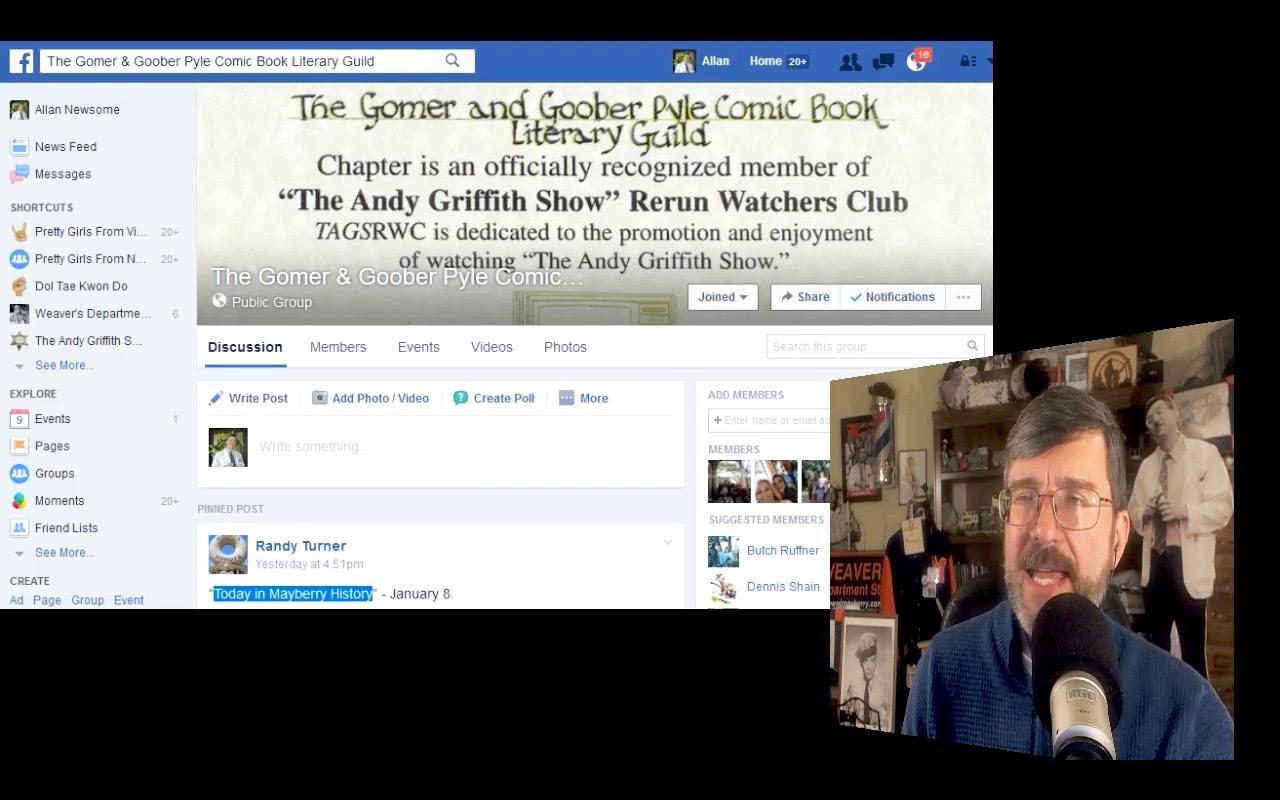
When I first joined Allan Newsome’s Two Chairs, No Waiting podcast as a contributor, our Facebook Group called The Gomer and Goober Comic Book Literary Guild had switched from using photos from the show as a banner to showing a portion of our charter from The Andy Griffith Show Rerun Watchers Club.

The banner used for The Gomer and Goober Comic Book Literary Guild the first time I participated in the podcast in January 2017 was the charter which declared us an official chapter of The Andy Griffith Show Rerun Watchers Club.
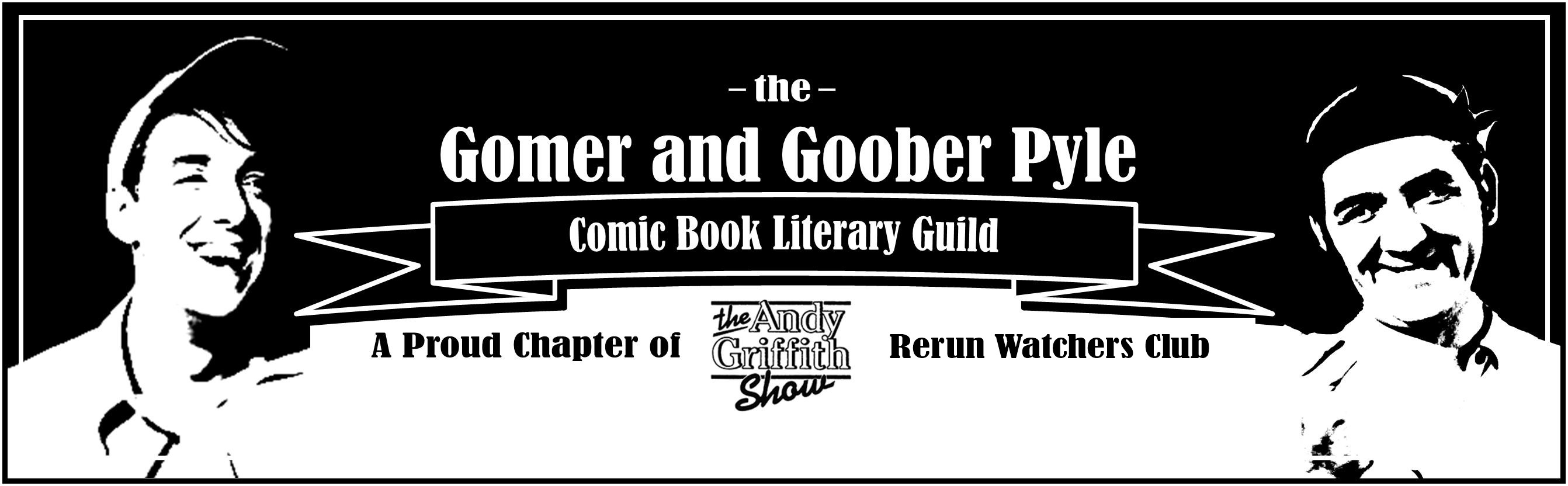
Our official chapter logo.

As I previously discussed, my old college roommate and talented graphic artist, Dick, designed a logo for our Facebook group and silk-screened t-shirts for us to wear at the 2016 Mayberry Days festival which featured his design. I asked if he would be willing to take the same logo and adapt it as a banner. Though we never used it, the first attempts at a new banner involved the original group logo between photos of our namesakes

Discarded banner idea we never used.

I then had the idea of reconfiguring the original, square logo to in essence stretch it out.  It would be entirely a piece of artwork without any photos just as in our standard logo Dick had designed. Based on just the general idea I had, Dick flipped his original art images of our two namesakes inward and created a beautiful banner that fit the pixel parameters of Facebook’s group banner perfectly.

Our Facebook group banner.

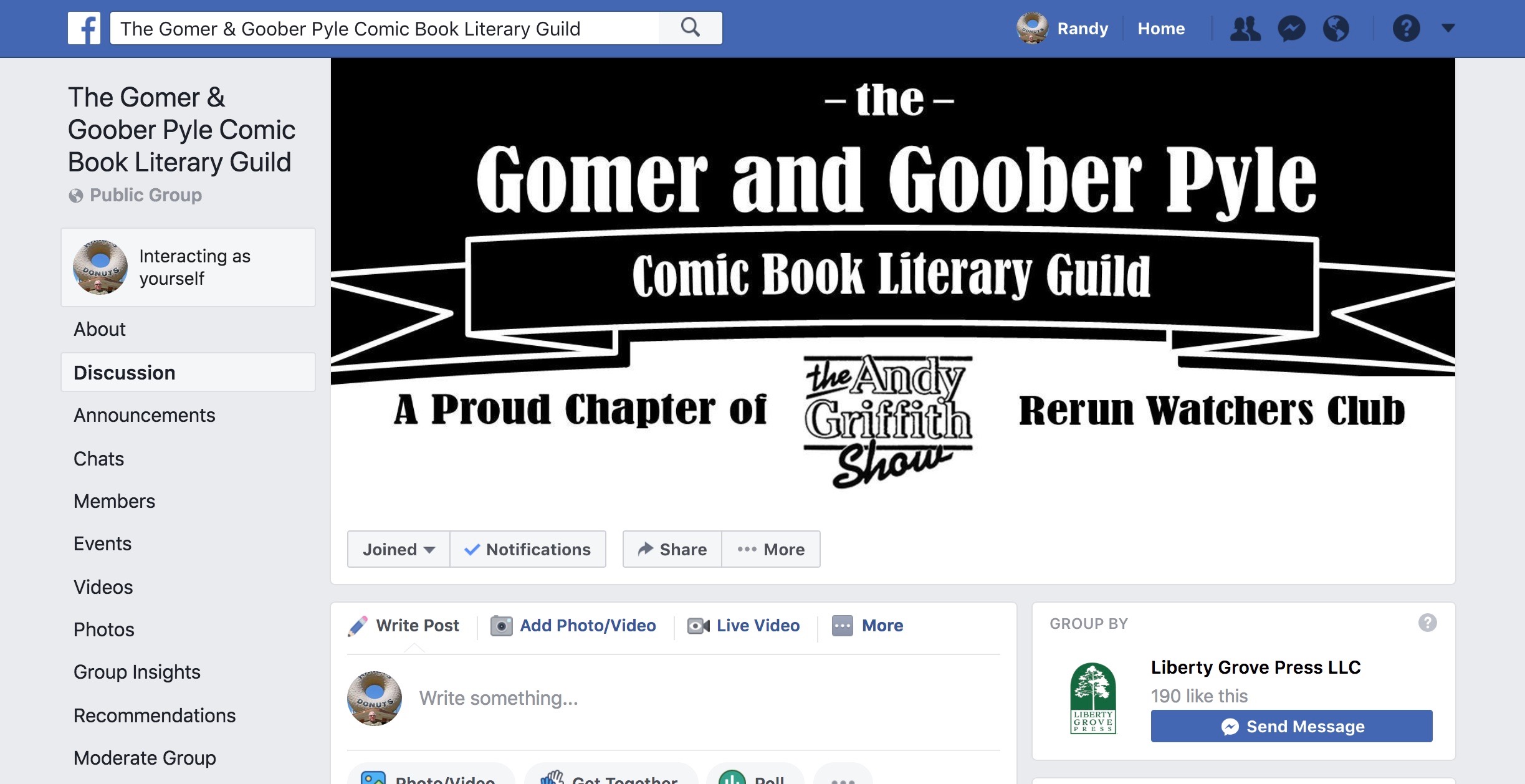
Jumping ahead, however, Facebook eventually changed the banner size in one of those annoying little tweaks they like to make that seem to serve no identifiable purpose. Luckily, the design still works, though one has to click on the banner itself to see the full scale of Dick’s beautiful design.

How the group banner currently appears after Facebook changed the pixel dimensions of the banner. This is all of the banner one sees with the current Facebook banner dimensions though the full banner can still be seen by clicking on the photo while visiting the group site.

When I did my first few reports for the Two Chairs podcast, I verbally introduced myself as the images Allan had pulled for each particular report were already playing. Inspired by the wonderful job Dick did with our group banner, I approached him again about designing a title card or logo for the podcast segment. My ever-generous friend said he would be glad to do so. Planning to surprise Allan with the title card, I was the one who was surprised when I learned Allan had designed a title card for me on his own.

Allan’s design.

I told Allan that Dick had already been working on one which we were fine-tuning. Once Dick’s design was finished, it was adopted as the “official” title card for my segments.

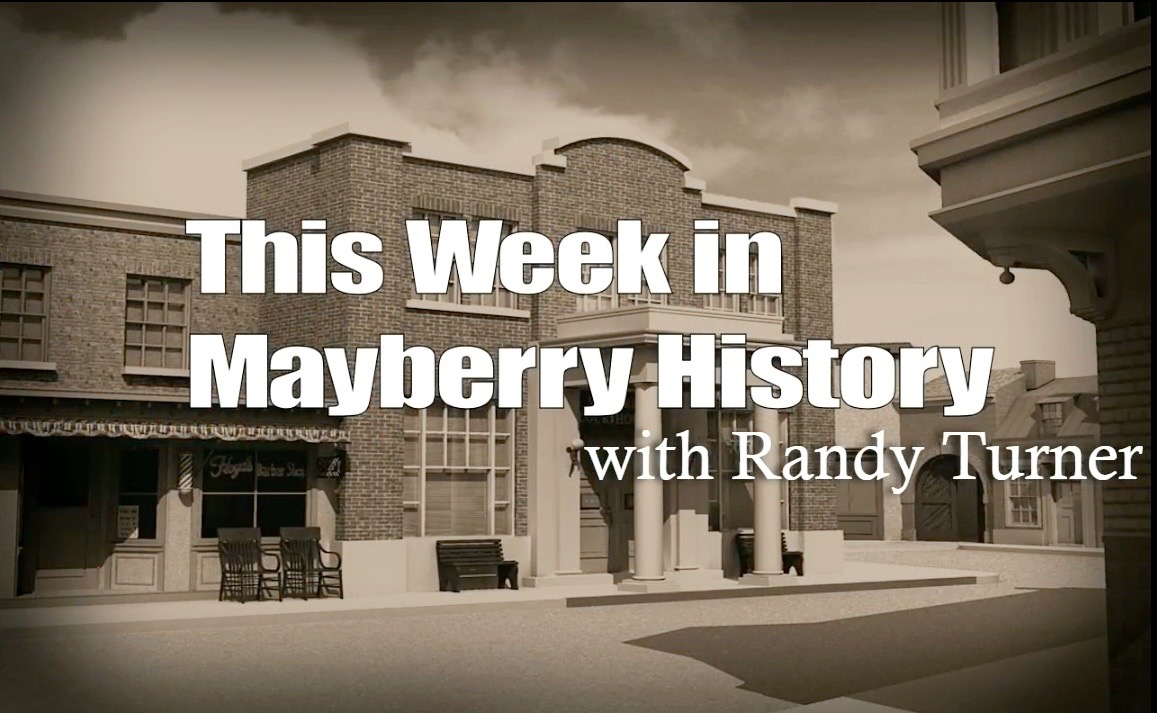
The “official” title card for my podcast segment.
The Two Chairs, No Waiting podcast title card.

Not to worry, as I did not allow Allan’s design to go to waste! Allan normally records the podcast every Monday evening then posts it to www.twochairsnowaiting.com, YouTube, and your favorite podcatcher on Tuesday. Afterward, I post a notice to our group members that a new episode is available. As a graphic for my weekly posts, I alternate between two versions of the title card Dick made (one with the www.imayberry.com URL as shown and another with the Two Chairs URL), the title card Allan designed, and Allan’s title card of the Two Chairs podcast itself.

Holtman’s Donuts

A town’s favorite spots for donuts is often debated among aficionados. The Cincinnati area has several contenders, but many would vote for Holtman’s as the best.
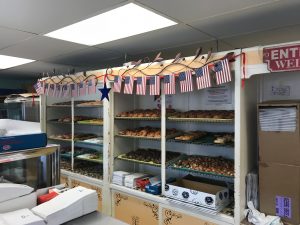
Holtman’s in Loveland.
Interior of the Loveland location.

Holtman’s has been around since 1960 but has become more broadly known thanks to recent expansions. Its original and for decades only location is in Loveland, a town in greater Cincinnati. My father-in-law lives in Loveland but Holtman’s is not in town. It is actually closer to another town, Milford, though it has a Loveland address. I had never heard of Holtman’s until their expansion.

I had never been to the original location and it is not in a convenient spot for me to visit, but it is easily my favorite location. The building is relatively small, has no indoor seating, and is definitely old-school. They have a good selection there and make the best apple fritters I have ever had.

Another angle of the Loveland store’s interior.

The first time I ever saw Holtman’s was when they opened up a small location in Cincinnati’s Over-the-Rhine (OTR). This is an area that is undergoing gentrification and is home to a good number of excellent restaurants. The Holtman’s OTR storefront has a limited selection of donuts and in essence no seating.

The original shop was started by Charles Holtman who passed away in 2007. It is now run by his daughter and her husband, In 2009, they also opened a location in Williamsburg, a town farther east of Cincinnati I have never visited.

The OTR location was opened in 2013 by one of the grandsons of the original owners. Last year, he opened up a much larger location near my home. And another location will be opening soon in another Cincinnati neighborhood, Oakley.

Holtman’s West Chester location.
The new location is more spacious with plentiful seating.

Holtman’s doesn’t make their donuts from purchased mixes. All of their donuts are made from scratch and it shows. They use the same recipes used by their founder. They are often named the best donuts in the city, most recently by Cincinnati’s CityBeat. They are also often referenced as one of the many reasons Cincinnati is a hipper city than most people realize.
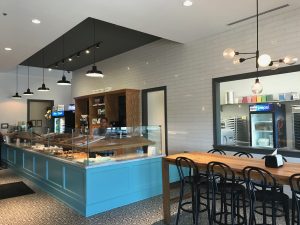
Like most donut shops now, Holtman’s offers lots more than just glazed and cake donuts.

Gohisca, 1952 and the Generosity of a Friend, Part III

As detailed earlier, my Mayberry friend Jimmy Phillips gifted me with the 1952 high school yearbook from the last year Andy Griffith worked as a high school teacher. Jimmy has also been a vocal supporter of my Mayberry Day-by-Day Calendar. I hope my use of his generous gift to write these recent blog posts helps him know how much I appreciate his thoughtfulness.

In the past two blog posts, I discussed how Andy Griffith came to be a teacher at Goldsboro High School and the inside reference to his friend from the school that he used in “The Clubmen” episode. There is another, interesting connection with a man who may not have been connected to The Andy Griffith Show but was a widely respected newsman for decades before his death this past April.

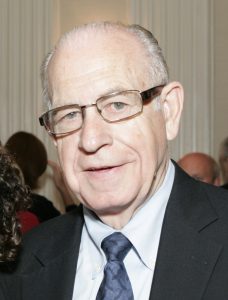
Photo of Carl Kassel at the Peabody Awards from his Wikipedia entry.

Many people know Carl Kassel as the voice of National Public Radio’s news show Morning Edition from its first broadcast in 1979 until he retired 30 years later. Many more know him as the official judge and scorekeeper of the NPR comedy program Wait, Wait… Don’t Tell Me, a role he filled from the beginning of that program in 1998 and continued to do even after his retirement from news until he retired from that show in 2014. (Winners of one of the games on the show won Carl’s voice on their answering machine or voicemail system as a prize.) Still others know Carl as the announcer for many years for the Kennedy Center Honors on CBS.

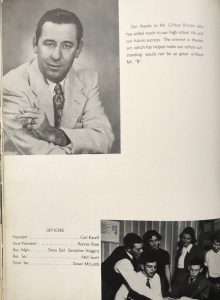
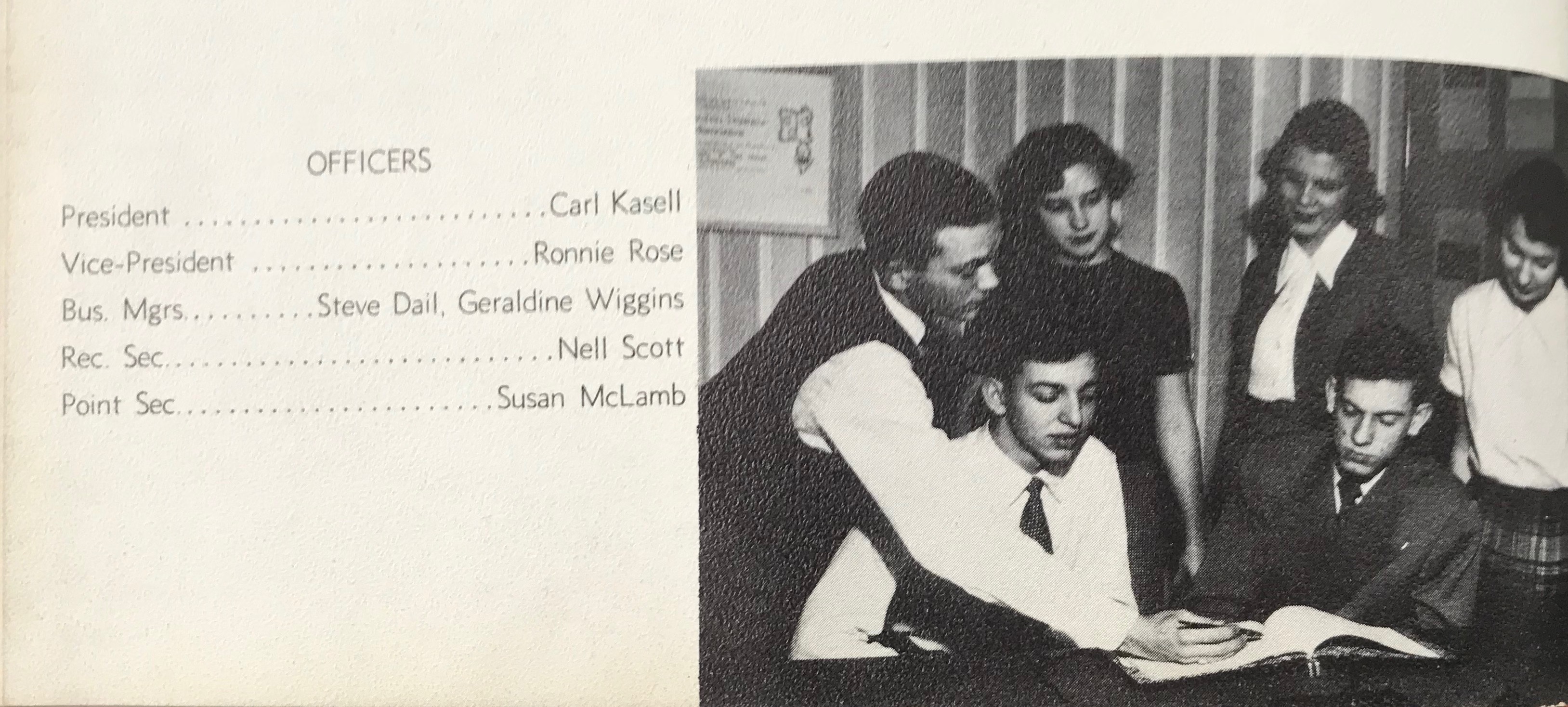
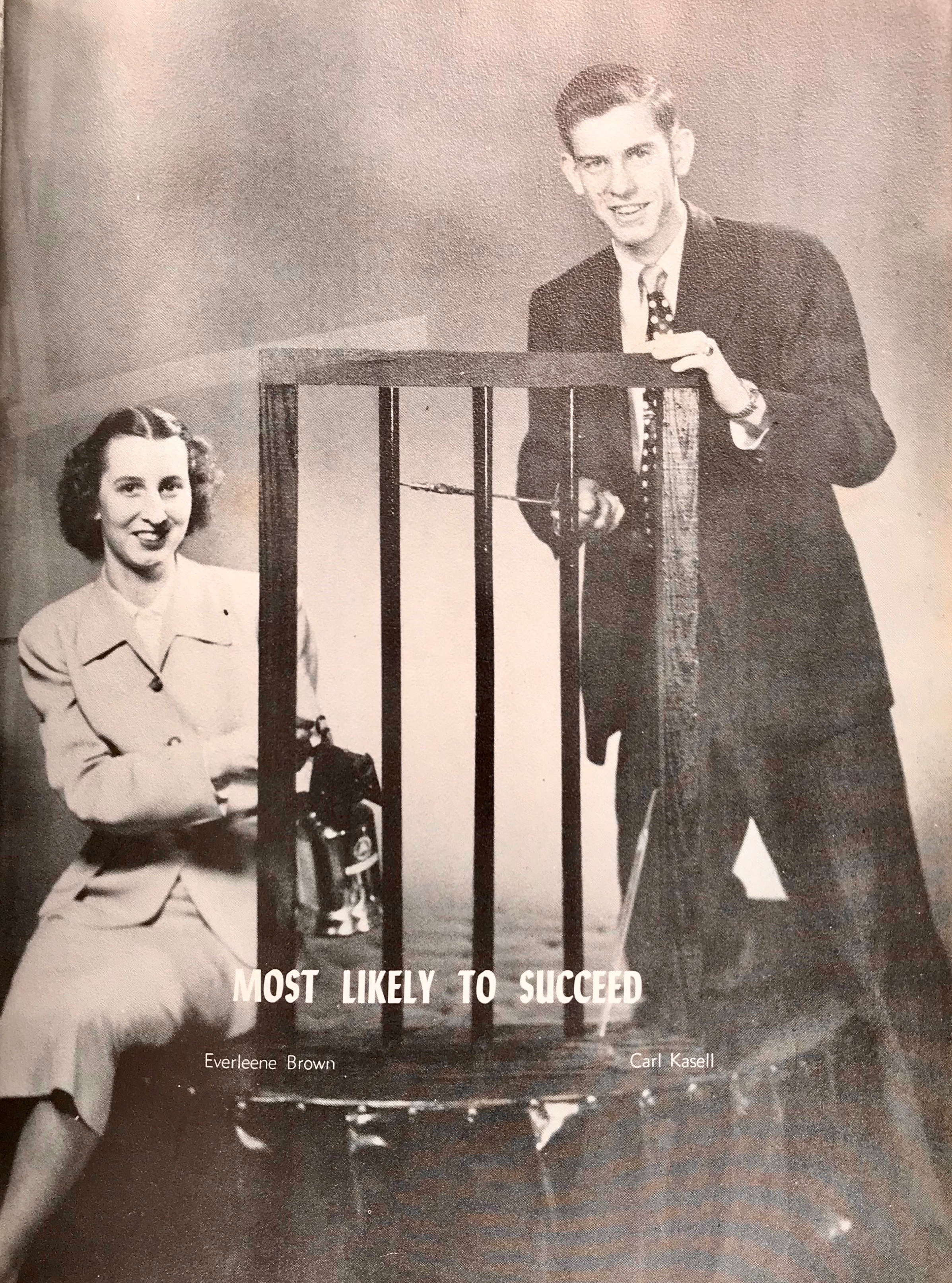
The full page with Cliff Britton’s photo shown in the last post also included Carl Kassel in a photo of the Goldmasquers officers.

Carl’s illustrious news career actually had its roots many years earlier in Goldsboro, North Carolina where he attended the school where Andy Griffith taught. Andy’s last year to teach there was also Carl’s senior year. Carl was the president of the Goldmasquers, the dramatic arts group that was directed by Cliff Britton

Under Britton, the high school had complete radio broadcasting facilities which Carl used to train. He also participated in radio workshops staged by Britton and landed his first on-air radio job when only 16.


Carl was also the male student named “Most Likely to Succeed” by his high school class in 1952.

After high school, Carl went to Andy’s alma mater the University of North Carolina-Chapel Hill where he and fellow classmate and future broadcaster Charles Kuralt helped launch the local campus radio station WUNC. He left college before graduation when he was drafted into the Army. After serving, he first worked on-air in Goldsboro then became the news director of a radio station in Virginia where he hired a young intern who also went on to a career in broadcasting, Katie Couric. Carl became a nationally-known newscaster in 1975.

While Cliff Britton was clearly a mentor to Carl, so was Andy Griffith, the music teacher who also worked with the Goldmasquers during three of Carl’s four years in high school. Carl won the lead role in numerous high school stage productions and Andy encouraged him to pursue a theater career. Carl said he told Andy, “No, I’m going to be a radio star,” though he did follow Andy’s advice briefly.

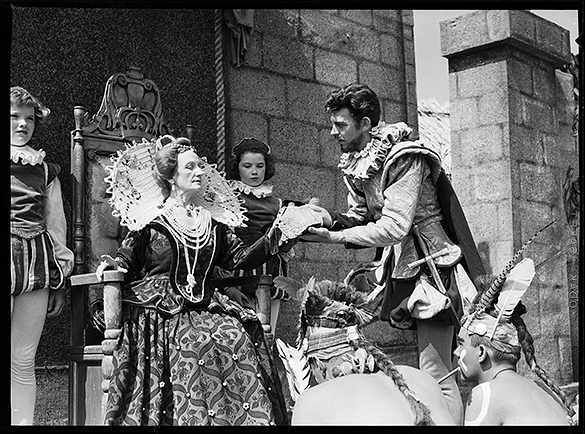
Carl acted professionally for one summer in The Lost Colony in 1952, the summer after he graduated and Andy resigned from Goldsboro High School. Carl played the Indian chief Wanchese in the production which starred Andy.

Carl Kassel in the lower right corner and Andy Griffith as Sir Walter Raleigh in The Lost Colony. Photo from the blog A View to Hugh.

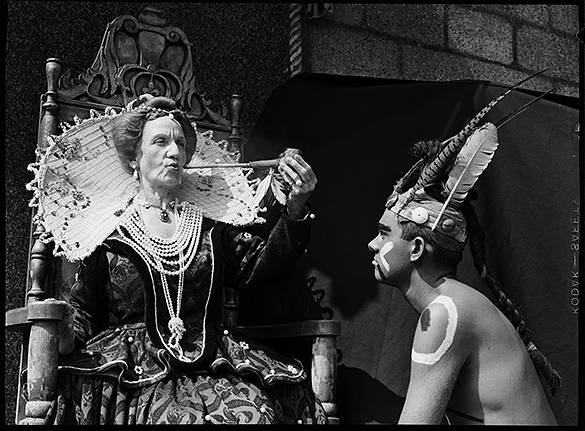
In Carl’s first dress rehearsal, Andy told him he had been a bit heavy handed with the makeup.  Carl recalled that Andy then taught him how to appropriately apply the face paint, and added that Andy was “a big, big help” during the season.

Wanchese before Queen Elizabeth. Photo from the blog A View to Hugh.

What a treasure trove the Gohisca yearbook has been.